Adjusting to Life with a Mobility Device
August 15, 2025
Health & Wellness | Home & Bath Modification | Home Solutions

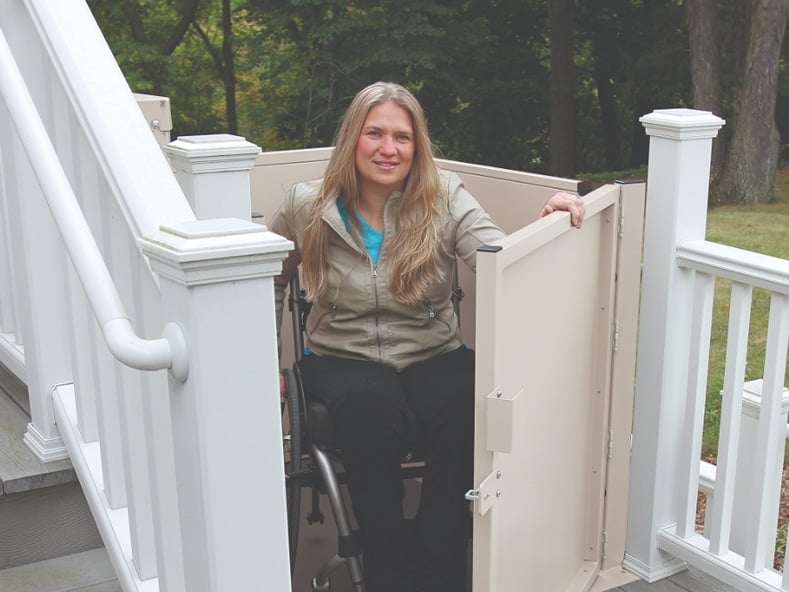
Getting a mobility device is a major life change, but it doesn’t have to decrease your quality of life. Yes, the way you move in the world is different now, but there are so many resources available to help you navigate life with confidence. And thanks to the always increasing number of accessibility solutions, living with a mobility device is easier than ever before.
To help make the transition as seamless as possible, we’ll be sharing advice from Next Day Access experts on how to best adjust to a new mobility device. Whether you’ll be using a device for several months or permanently, you can use these tips to start off strong and set yourself up for success.
First, it’s important to thoroughly understand your mobility device. This process is similar to learning to drive a car for the first time – you’re getting used to a new mode of transportation. Developing your skills and becoming comfortable with your device will help you transition more easily, so it’s important to learn the ins and outs as soon as possible.
Here’s a quick rundown of the main types of mobility devices and some important information about each one:
Wheelchairs generally provide the most access because accessibility standards are designed with them in mind. Many users find that they have the most control in a wheelchair since the analog nature allows for easy, quick maneuvering. Wheelchairs also help keep the user active by requiring arm and core strength to operate. Maneuverability skills like turning in place, performing wheelchair wheelies, and getting in and out of a vehicle are key to learning how to use a wheelchair.
Power wheelchairs are motorized wheelchairs designed for people who are unable to propel manual wheelchairs. They’re usually joystick-operated, making them ideal for people with extremely limited upper body strength. The main tradeoff is that power wheelchairs are usually more difficult to transport, and some larger models might make it harder to fit into tighter spaces.
Mobility scooters are compact, convenient mobility devices that are great for outside situations that would require lots of walking. Scooters can also easily handle different types of terrain and can easily travel long distances.
Here are five expert tips for getting comfortable with your new mobility device:
Choosing a mobility device is a big deal, and there are countless models on the market for you to pick from. For best results, communicate with your healthcare professional and speak to an experienced mobility equipment supplier so you understand the options that are available to you. For example, if your physician recommends either a power wheelchair or scooter, you can try out both before deciding. Your accessibility products provider will also be able to help with fitting and will help you learn how to use your device.
One of the best ways to adjust to a mobility device is to make home modifications to improve accessibility. Devices like wheelchair ramps, stair lifts, and grab bars make it as easy as possible for you to move around your home. With the right modifications in place, you’ll have just as much access as you did before you started using a mobility device. Plus, if your mobility changes over time, you can add or remove modifications to tailor your living space to your needs.
During a pivotal transition period, it’s critical to connect with others. In addition to talking to friends and family, you can also connect with other mobility device users and share your experiences with one another. There are plenty of in-person and online groups to check out, so it’s easier than ever to build a sense of community with others who are going through the same thing you are.
There’s always a learning curve when you start using a mobility device, so practicing maneuverability early on will help you get comfortable with your device more quickly. Using your device on different types of terrain, learning to navigate tight spaces, and getting used to different accessibility features in public places will build your confidence so your mobility device will become second nature sooner than later.
As cliché as it might sound, focusing on the positives is so important for transitioning into life with a mobility device. Getting used to a mobility device doesn’t happen overnight, so make sure to give yourself the time and patience to process everything. Try to remember that even in the toughest moments, there is always something positive to hold onto – just give yourself the grace and space to find it.
Our expert teams at Next Day Access know that transitioning to life with a mobility device is challenging. We’re here to make it easier. Our mobility solutions are curated to provide you with the highest quality products on the market, and we’ll support you from the moment you reach out. Find a location near you to learn more about how we can help.
Reach out to a location near you today for a custom quote!
Contact Next Day Access today for reliable mobility solutions backed by responsive, expert installation. Enter your ZIP code or postal code to find a location near you and take the first step toward a safer, more accessible space.
Reach out to a location near you today for a custom quote!
Contact Next Day Access today for reliable mobility solutions backed by responsive, expert installation. Enter your ZIP code or postal code to find a location near you and take the first step toward a safer, more accessible space.