Goals of Care and Home Modifications
February 3, 2026
Aging in Place | Caregivers

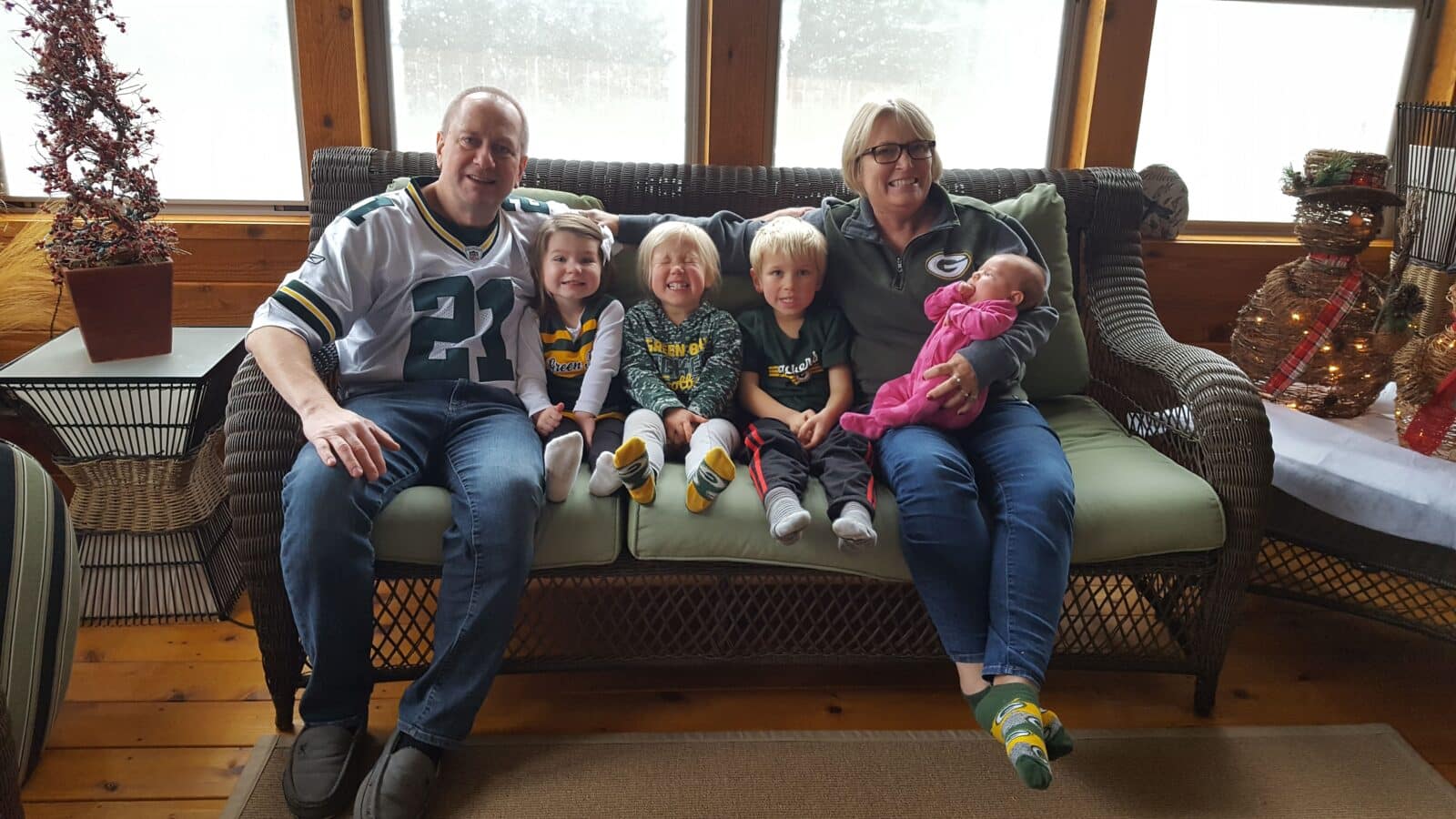
As a medical social worker, I have asked this question hundreds of times:
“What are you hoping for from your medical care?”
And more often than not, the answer comes quickly and without hesitation:
“I want to be at home.”
Sometimes people add more—being with family, attending birthdays and graduations, sitting at the kitchen table, watching grandchildren play, staying connected to the life they’ve built. Home represents comfort, identity, and belonging.
And yet, as a healthcare professional, that answer can feel overwhelming.
It often comes with an unspoken asterisk.
Because wanting to be at home is deeply human—and also incredibly complex.
Why “Staying Home” Can Feel Like an Impossible Goal
In healthcare, we understand the risks:
So when someone says they want to stay home, it can feel like a fragile goal—one that requires everything to line up just right. Time, support, finances, physical ability, family availability.
But here’s the truth I’ve come to believe:
For many people, staying safely at home is not unrealistic. It’s just underplanned.
For some people and some situations, moving is the best solution and they thrive in the safety of a higher level of care. However, too often we accept institutional care as the default when things get hard, instead of asking a different question:
What would need to be true for this person to stay at home safely?
That shift matters.
Goals of Care Don’t End With Medical Decisions
Goals of care conversations typically focus on medical treatments, interventions, and preferences. But too often, they stop short of addressing the environment where daily life happens.
If being at home is the goal, then the home itself becomes part of the care plan.
That means helping people think through:
These conversations are not about giving up independence. They are about protecting it.
Planning Ahead Is an Act of Care—for Everyone
One of the most important things we can do as healthcare professionals is coach patients and families to plan ahead—before a crisis forces rushed decisions.
That planning includes:
While the cost of home modifications can feel daunting, the reality is that assisted living and nursing homes costs far exceed the cost of many accessibility solutions, such as ramps or stair lifts.
Having realistic, early conversations helps reduce fear, guilt, and last-minute pressure—for patients and their families.
This Is Personal for Me, Too
This work isn’t theoretical for me.
I am currently helping care for my own parents, both of whom live with debilitating conditions. Like so many families, we are navigating how to balance safety, independence, and respect for the home they love.
We’ve started making small changes—slightly ahead of when they’re needed.
Recently, we added:
We’ve also had conversations about the future:
None of these decisions were easy.
For someone who has lived in their home for a long time, changes can feel like a visible reminder that things are different now. That can bring grief alongside relief.
And yet these changes have made daily life easier, safer, and more independent.
They are simple solutions, but they make a profound difference.
Adapting the Home Is Not Giving Up—It’s Adapting With Intention
Home modifications are often misunderstood as symbols of decline. In reality, they are tools that support what matters most.
When done thoughtfully and proactively, they:
Across Madison and South Central Wisconsin, many families are quietly navigating these same questions.
The difference between crisis-driven decisions and intentional planning often comes down to when the conversation happens.
When Goals, Planning, and Environment Align
If we truly believe that staying at home is the right goal for many people, then we have to start planning for it, honestly and without fear.
That means expanding goals-of-care conversations beyond medical treatments and into daily life:
When those pieces align, staying at home becomes not just a hope—but a realistic, supported plan.
For families exploring home accessibility options in South Central Wisconsin, learning what’s possible is often the first step toward turning values into action.
👉 Learn more about local home accessibility solutions here:
https://www.nextdayaccess.com/south-central-wi/
A Final Thought
“I want to be at home” is not a vague wish.
It’s a meaningful goal; one that deserves thoughtful planning, honest conversations, and the belief that with the right support, it can be achieved.
Sometimes, staying home doesn’t require everything to change at once.
It just requires starting a little earlier than you think.
Reach out to the South Central Wisconsin team for a custom quote!
Ready to make your home or business more accessible? Our South Central Wisconsin team is here to help with personalized recommendations, fast quotes, and expert support—every step of the way.

Reach out to the South Central Wisconsin team for a custom quote!
Ready to make your home or business more accessible? Our South Central Wisconsin team is here to help with personalized recommendations, fast quotes, and expert support—every step of the way.